Posted on Oct 10, 2011 in Culture | 2 comments
The final installment of posts on a Moroccan wedding (ok there might be more picture posts to come!) Read Part One and Two. A huge thank you to @SihamAl for writing and sharing this information!
Music
Music is what makes the party live and having a good orchestra playing good music making people dance is the secret for an unforgettable evening. At this time, I still don’t know which band I will hire but for sure, the band has to be good at “chaabi” music (Moroccan pop music) and also play more traditional “Ala” (Andalusia music) and “Malhoune” (typical Moroccan style from Meknes).
Usually, we hire a normal band for the whole evening and another traditional band who would welcome the guests and accompany the entrance of the bride. These traditional bands play different music styles as they come from different regions of Morocco. They are called “Dakakiya” if they come from Marrakech, “Issawa” if they come from Meknes, “Abidat Rma” if from Beni Mellal, etc. Each one of them has its own style and it’s very hard to choose. I personally prefer those from Marrakech because they usually are funnier and happier. But, as of my Meknessi roots, my father would love to have Issawa and I think I’ll go for them to please him. Somehow, my parents managed to find a band who would play the three styles at the same evening. Choosing problem solved!
Three days party
Traditional Moroccan weddings used to last seven days, sometimes more. The bride and groom families used to have parties in their own homes before the day where the bride actually meets the groom. Of course, everyone of the two families were invited so that led to lots of days of partying. Nowadays, there are only one or two big parties (one at the brides’, one at the grooms’) or just one big party for both.
This is how it works. We start first with the hammam day. Only for women though. The bride gathers all the female family, friends, neighbours and goes with them to the hammam (public bath). We usually rent a big bathroom in order to keep it intimate and also to dance and sing freely. There, the bride gets her hair washed with ghassoul (sort of clay), her body scrubbed, massaged, perfumed, waxed and all prepped for the wedding night.
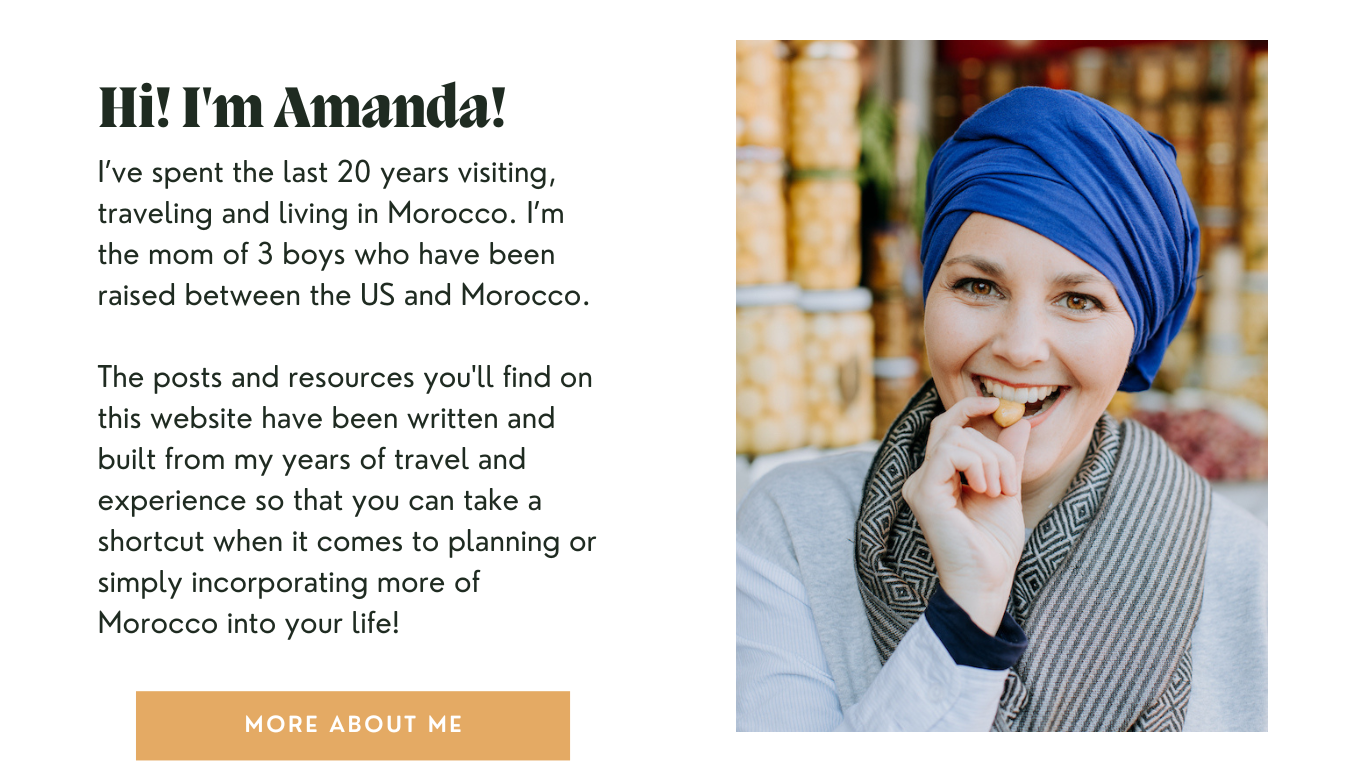
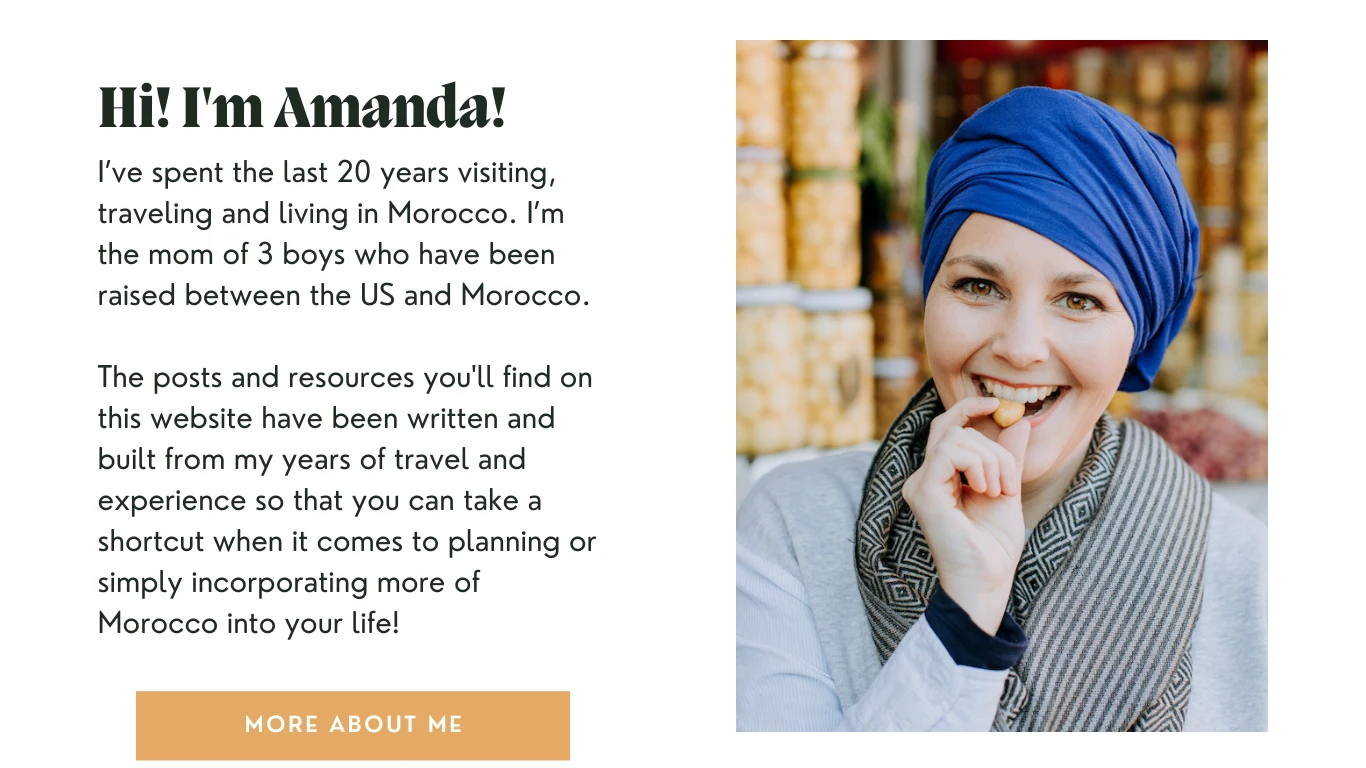
This is me (Amanda!) picture from my henna party.
The day after that, it’s the Henna ceremony. There again, it’s a sort of female gathering around the bride who will have tattoos with Henna. The Henna tattoo is not permanent and it fades with time but it gives a very beautiful traditional style to the bride. Plus, Henna is considered inMoroccoas a sign of fertility, beauty and optimism. We make Henna for the bride for “fal” or to wish her lots of luck in her married life. All the female friends gets tattooed too when the bride is done, and there is a nice party where everyone dances and chants for the bride.
Then comes the big day where the bride has to rest during the day and gets prepared (make up and hairdresser) in the afternoon to get ready for the big night.
Usually, the guests gather before the bride makes her entrance. The groom comes with his family and everyone waits for the bride to come. The brides’ entrance is very important in the Moroccan ceremony. We usually put her in a “Amaria” a sort of elegant roofed platform that’s carried by 4 or 6 guys (they usually come with the Neggafa). This moment of the ceremony I like particularly as the parents, family and friends are all up to greet the bride and she’s up there for everyone to admire! The groom leads the walk with the Amaria bearers.
After that, the bride gets out of the Amaria and sits near the groom in an elevated and decorated couch. People would come to sit next to them and take pictures all the evening long. I have done that for my engagement party and trust me, my husband and I were so tired smiling for all the pictures after two hours! I can’t imagine how it’ll be for the wedding!
The bride goes to change for a second outfit and then the dinner is served. The couple eats in a family table with both parents and close family. Sometimes, the couple would use the time at the end of the dinner, to make a table tour and say hello to the guests. They would also dance one or two times during the evening with all the guests gathered around them.
Then the bride goes again to change for another outfit. It’s called “Labssa fassia”. It is pretty beautiful but heavy as it covers almost every part of the body of the bride except the face. This outfit is specific for the tour in the “Mida” another platform (unroofed this time). At this time, the groom also changes his suit for a more traditional Jabador and Djellaba outfit. There are usually two Midas (one for the bride and one for the groom) and they are both lifted up at the same time.
After that, the bride and groom go for a final outfit changing and come back for the wedding cake. The groom puts his suit back and the bride has a normal occidental white wedding dress. I actually rather keep it traditional, so I think I’ll be wearing a white Caftan. The bride and groom share a last dance, eat the cake and leave after that for the wedding night.
That’s all! I hope you liked my description of the Moroccan wedding and maybe made you want to see or have one sometime! So as a last word, I would say “Allah yakammel bekheir” (May God makes everything go well) for everyone!
Thank you so much Siham! I hope that you have really enjoyed this series of posts describing the process of preparing for and having a Moroccan wedding. Are there other cultural “rites” or practices you’d love to learn more about?
Powered by Facebook Comments
Assalamualaikum,
Hope that your vacation is going well.InshaAllah.
How about a post about traditions and practices with a birth of a child?
ps i have not been getting my e-mail of new posts.
Not a big deal,just thought you would like to know.
Good news – we had a celebration related to this request while in Morocco — post forth coming! I’ll check out the email issue…